
Mrhighspray.com's product category
Herbal Incense vs. Essential Oils: Which is Better?
Jan
Where to Buy Incense when Have you ever walked into a room and been instantly transported by a captivating aroma? 🌿✨ The power of scent is undeniable, but when it comes to creating the perfect ambiance, two contenders stand out: herbal incense and essential oils. Both have been used for centuries to enhance mood, promote relaxation, and even boost health. But which one reigns supreme?
In this age-old debate of herbal incense vs. essential oils, many find themselves torn between tradition and modern wellness trends. While incense offers a rich, smoky fragrance that can transform any space, essential oils promise concentrated botanical benefits in a pure, versatile form. As we delve into their historical backgrounds, explore frequently asked questions, and uncover related topics, you’ll gain insights to help you make an informed choice for your aromatic journey.
Join us as we unravel the mysteries of these aromatic powerhouses, compare their pros and cons, and discover which might be the perfect fit for your lifestyle and needs. Whether you’re a seasoned aromatherapy enthusiast or a curious newcomer, this exploration of herbal incense and essential oils will enlighten and inspire. Let’s embark on this fragrant adventure together! 🕯️🌸
The Historical Background of Essential Oils and Incense
What are Essential Oils?
Essential oils are highly concentrated plant extracts that capture the natural essence, aroma, and beneficial properties of various botanicals. These potent substances are obtained through methods like steam distillation, cold pressing, or solvent extraction.
Key Characteristics of Essential Oils:
- Highly concentrated
- Volatile and aromatic
- Derived from various plant parts (leaves, flowers, roots, etc.)
- Used in aromatherapy, skincare, and natural remedies
| Extraction Method | Description | Common Examples |
|---|---|---|
| Steam Distillation | Uses steam to extract oils | Lavender, Peppermint |
| Cold Pressing | Mechanically extracts oils from rinds | Citrus oils (Orange, Lemon) |
| Solvent Extraction | Uses chemical solvents to extract oils | Jasmine, Rose |
What is Incense?
Incense refers to aromatic materials that release fragrant smoke when burned. It has been used for centuries in religious ceremonies, meditation practices, and for creating pleasant atmospheres in homes and public spaces.Where to Buy Incense
Types of Incense:
- Stick incense
- Cone incense
- Resin incense
- Powder incense
Incense is made from a variety of natural materials, including herbs, resins, and wood powders, often combined with essential oils for enhanced fragrance. The choice between essential oils and incense often comes down to personal preference and intended use. While essential oils offer versatility in application methods, incense provides a traditional and ritualistic experience. Now, let’s explore the various ways these aromatic substances can be applied to enhance our daily lives.Where to Buy Incense
FAQs About Essential Oils & Incense
Is incense a good air freshener?
While incense can be effective at masking odors, it’s not considered an ideal air freshener. Incense produces smoke, which can leave residue and potentially irritate respiratory systems. Instead, consider natural alternatives like:
- Essential oil diffusers
- Simmering herbs and spices
- Opening windows for fresh air
Is it safe to breathe diffused essential oils?
Generally, diffusing essential oils is safe when done properly. However, it’s important to:
- Use high-quality, pure essential oils
- Follow recommended dilution ratios
- Diffuse in well-ventilated areas
- Limit diffusion time (15-30 minutes per session)
| Safety Precautions | Reasons |
|---|---|
| Use in moderation | Prevent sensitivities |
| Keep away from pets | Some oils are toxic to animals |
| Consult healthcare provider | If pregnant or have health conditions |
How long does incense smell last?
The duration of incense scent varies depending on factors such as:
- Type of incense (stick, cone, or resin)
- Size of the space
- Ventilation
On average, incense scents can last:
- 30 minutes to 1 hour after burning
- Several hours in enclosed spaces
- Up to 24 hours in fabrics or furniture
Are there specific essential oils that can alleviate chronic pain?
Certain essential oils have shown promise in managing chronic pain:
- Lavender: Reduces inflammation
- Peppermint: Eases muscle pain
- Eucalyptus: Relieves joint pain
- Rosemary: Improves circulation
Always consult a healthcare professional before using essential oils for chronic pain management.
Have you ever walked into a room and been instantly transported to another time and place by the subtle aroma of incense? 🕯️ The art of crafting incense is an ancient practice, steeped in mystery and tradition. For centuries, incense masters have guarded their secrets, creating fragrances that can calm the mind, uplift the spirit, and transform any space into a sanctuary.
Imagine being able to harness this power in your own home. 🏡 What if you could create an atmosphere of tranquility, focus, or even romance with just the strike of a match? The good news is, you can! In this post, we’ll unveil 10 secrets of ancient incense masters that will revolutionize the way you experience your living space. From the rich history of Chinese and Japanese incense to the step-by-step process of crafting your own aromatic sticks, we’ll guide you through a journey of sensory discovery.Where to Buy Incense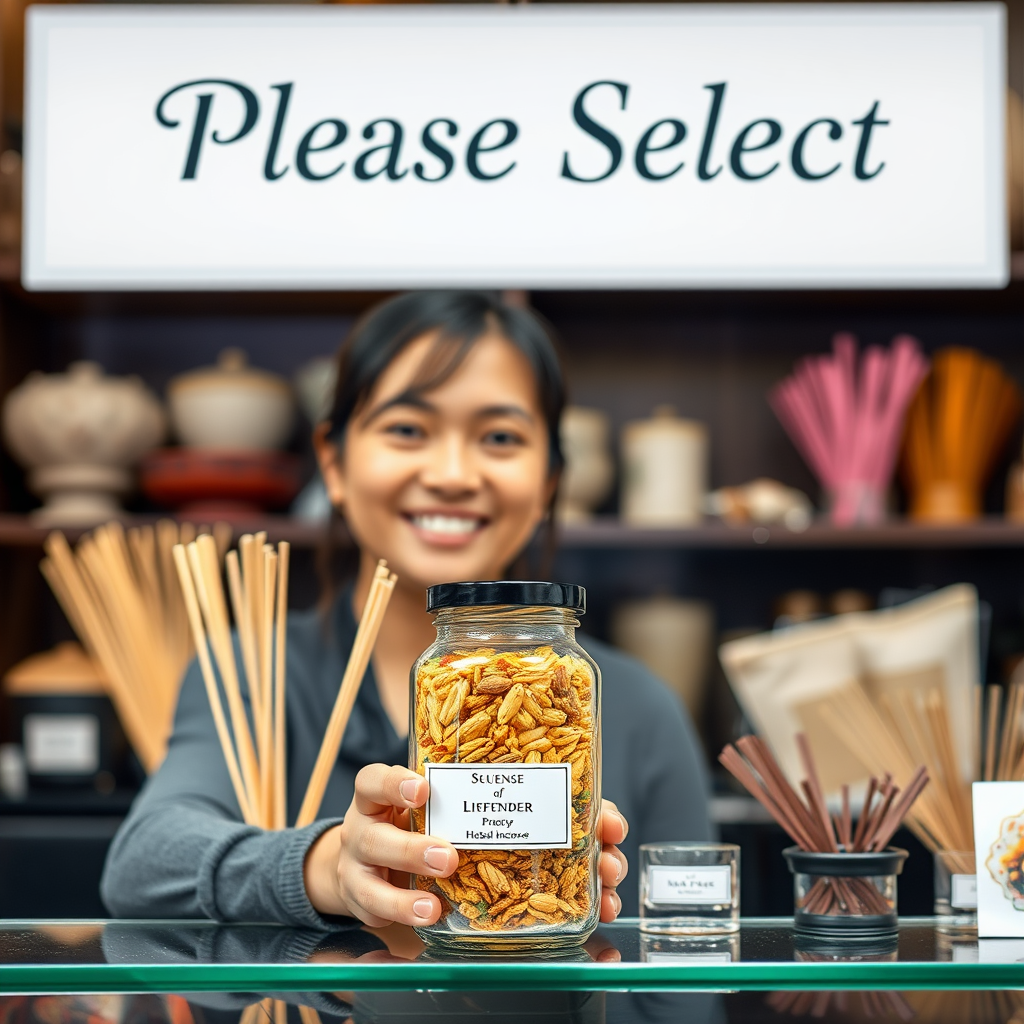
Get ready to dive into the world of incense making, where we’ll explore everything from the essential supplies and materials to the techniques that make incense burn longer and more effectively. Whether you’re a seasoned aromatherapy enthusiast or a curious beginner, these ancient secrets will empower you to create a home environment that’s not just lived in, but truly experienced. Let’s embark on this fragrant adventure together! 🌿✨
Essential oils or no essential oils?
When crafting natural incense sticks, the choice between using essential oils or relying solely on raw materials is crucial. Both methods have their merits:
| Method | Pros | Cons |
|---|---|---|
| Essential Oils | – Intense fragrance
– Easier to blend – Consistent scent |
– Can be expensive
– May not be 100% natural – Shorter burn time |
| Raw Materials | – Authentic, traditional approach
– Longer-lasting scent – Often more affordable |
– Requires more skill to blend
– Scent may vary batch to batch – Less intense fragrance |
Many incense masters prefer using raw materials for a more authentic experience, but combining both methods can yield exceptional results. Experiment with different ratios to find your perfect blend.
What size should the ground powders be?
The size of ground powders is critical for creating high-quality incense sticks:
- Fine powder (60-80 mesh): Ideal for most incense sticks
- Medium powder (40-60 mesh): Suitable for cone incense
- Coarse powder (20-40 mesh): Best for loose incense
For the best results, aim for a consistency similar to fine sand or powdered sugar. This allows for:
- Even burning
- Consistent fragrance release
- Proper binding with other ingredients
To achieve the right size, use a mortar and pestle or a spice grinder, and sift the powder through the appropriate mesh screen. Remember, uniformity is key to creating incense sticks that burn evenly and release a balanced aroma.
Step 1: Gather Your Materials
Before you begin crafting your incense sticks, it’s essential to gather all the necessary materials. Here’s a list of items you’ll need:
- Bamboo sticks or thin wooden dowels
- Natural gums (e.g., makko powder or gum arabic)
- Essential oils or fragrance oils
- Herbs, spices, or powdered resins
- Distilled water
- Mixing bowl and utensils
- Drying rack or clean surface
Step 2: Prepare the Incense Base
Creating the perfect incense base is crucial for a high-quality stick. Follow these steps:
- Mix 2 parts makko powder with 1 part herbs or resins in a bowl
- Gradually add distilled water until you achieve a dough-like consistency
- Knead the mixture thoroughly to ensure even distribution of ingredients
Step 3: Shape and Coat the Sticks
Now that your base is ready, it’s time to shape your incense sticks:
- Take a small amount of the mixture and roll it into a thin cylinder
- Carefully wrap the cylinder around a bamboo stick, ensuring even coverage
- Smooth out any imperfections with your fingers
| Tip | Description |
|---|---|
| Consistency | Aim for a uniform thickness along the entire stick |
| Length | Leave about 1 inch of the bamboo stick exposed for handling |
| Drying | Place coated sticks on a drying rack or clean surface |
Step 4: Add Fragrance and Dry
The final steps involve adding your chosen scent and allowing the sticks to dry properly:
- Once the sticks are slightly dry but still moist, apply a few drops of essential oil
- Gently roll the sticks to distribute the fragrance evenly
- Allow the incense sticks to dry completely for 24-48 hours in a well-ventilated area
With these steps complete, you’ll have crafted your own set of natural incense sticks. Next, we’ll explore how to make these handmade treasures burn slower and last longer.
UPDATE
Step 1: Blending natural incense ingredients and makko powder
To create the perfect incense stick, the ancient masters understood the importance of precise blending. Start by carefully measuring your chosen natural ingredients, such as sandalwood, frankincense, or cinnamon. Combine these with makko powder, a natural binding agent derived from the bark of the tabu-no-ki tree.
| Ingredient | Ratio |
|---|---|
| Natural fragrance | 60-70% |
| Makko powder | 30-40% |
Mix the ingredients thoroughly in a ceramic bowl, ensuring an even distribution of fragrances.
Step 2: Kneading the incense making dough
Once blended, slowly add water to your mixture, creating a pliable dough. The ancient masters knew that the key to perfect incense lies in the consistency of this dough.
- Gradually add water, little by little
- Knead the mixture until it reaches a clay-like consistency
- The dough should hold its shape when rolled into a ball
Step 3: Forming the incense sticks
Now comes the artistry. Roll small portions of the dough into thin, uniform sticks. The thickness should be consistent throughout, typically about 3mm in diameter.
Step 4: Straightening and drying the sticks
Finally, carefully lay the formed sticks on a flat surface to dry. The ancient masters would often use bamboo mats for this purpose, allowing air to circulate freely around the sticks.
- Place sticks in a warm, dry area
- Allow 24-48 hours for complete drying
- Rotate sticks occasionally for even drying
With these steps mastered, you’re well on your way to creating incense sticks that would make the ancient masters proud. Next, we’ll explore how to enhance the burning experience of your handcrafted incense.Where to Buy Incense
A last note: how to make incense sticks burn slower / last longer?
Extending Burn Time
To make your incense sticks burn slower and last longer, try these expert techniques:
- Proper storage
- Adjusting stick thickness
- Controlling airflow
- Using natural binders
Proper Storage
Store your incense sticks in a cool, dry place to maintain their quality and burn time. Excessive humidity can cause sticks to burn faster, while proper storage preserves their integrity.
Adjusting Stick Thickness
Thicker incense sticks naturally burn slower. When making your own, experiment with different diameters to find the ideal balance between burn time and fragrance release.
| Stick Diameter | Approximate Burn Time |
|---|---|
| 2mm | 30-45 minutes |
| 3mm | 45-60 minutes |
| 4mm | 60-90 minutes |
Controlling Airflow
Limit air circulation around burning incense to extend its life. Use enclosed holders or place sticks in areas with minimal drafts.
Using Natural Binders
Incorporate natural binders like makko powder or gum arabic into your incense mixture. These not only help hold the ingredients together but also slow down the burning process.
By applying these techniques, you can significantly extend the life of your incense sticks, allowing you to enjoy their fragrances for longer periods. In the next section, we’ll explore how to find and choose the best incense for your needs.Where to Buy Incense
Search
Popular Incense Scents
When searching for the perfect incense, it’s essential to know the most popular scents. Here’s a list of widely loved fragrances:
Incense Brands to Consider
To help you find high-quality incense, here’s a comparison of some well-known brands:
| Brand | Origin | Known For | Price Range |
|---|---|---|---|
| Shoyeido | Japan | Traditional scents | $$$ |
| Nippon Kodo | Japan | Modern blends | $$ |
| HEM | India | Variety of scents | $ |
| Satya | India | Nag Champa | $ |
| Juniper Ridge | USA | Wild-harvested | $$$ |
Where to Buy Incense
Finding the right incense can be a journey of discovery. Here are some places to start your search:
- Local specialty shops
- Health food stores
- Online marketplaces like K2HerbalCartel.com
- Direct from manufacturers’ websites
- Asian markets or cultural centers
Remember to read reviews and, if possible, sample scents before making a purchase. This will help ensure you find incense that truly resonates with you and enhances your home environment.Where to Buy Incense
Conclusion
The art of incense-making, steeped in ancient traditions from China and Japan, offers a wealth of knowledge for modern enthusiasts. From understanding the rich history behind these fragrant sticks to mastering the craft of creating your own, this journey through the world of incense reveals secrets that can truly transform your home environment.Where to Buy Incense
By exploring the step-by-step process of handcrafting incense sticks and learning how to make them burn slower, you’ve gained valuable insights into this timeless practice. Embrace these ancient techniques to enhance your living space, creating a serene and aromatic atmosphere that connects you to centuries of wisdom. Whether you’re a seasoned practitioner or just beginning your incense journey, these secrets will undoubtedly elevate your experience and bring a touch of ancient mastery to your daily life.

